
Kids Products Play in Child Development
Toys play an essential role in child development. They are more than just fun and entertainment – they help children learn through interaction, stimulating their minds to develop cognitive skills such as problem-solving, critical thinking, and analytical reasoning. Educational toys also encourage children to build on their social skills and prepare them for the next stage of their lives – school.
Children’s toys can help improve and sharpen their physical skills as well. Toys that involve interactive activities such as puzzles, building blocks, or shape sorters can help them enhance their motor skills by increasing the speed of their hand movement and improving their focus, attention span, memory, and coordination. They can also stimulate their logic skills by requiring them to solve problems or complete patterns.
Kids products can also help boost a child’s language development by enhancing their vocabulary and teaching them new words. They can even improve their math skills by using toys that allow them to count, match shapes, or identify colors. Furthermore, educational toys can stimulate their imagination and creativity by allowing them to interact with objects in a different way than they normally would.
Children can also develop their social skills through toys that encourage interaction with other children, or by playing with role-playing toys. These toys teach them about a variety of roles, such as a doctor or a chef, and help them understand their own emotions and those of others. They can also learn about sharing and taking turns through games such as hide-and-seek.
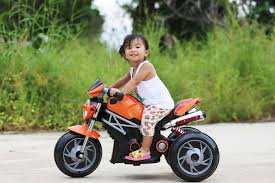
What Role Do Kids Products Play in Child Development?
Musical toys can also be great for developing cognitive skills, as they combine auditory stimulation with tactile interaction. By engaging with a variety of rhythms and melodies, children can learn about music and how it is created. They can also develop their auditory discrimination skills, which are crucial for language development. Board games and puzzles are also gaining traction, as they promote critical thinking and collaboration. Games designed for different age groups encourage family bonding and social skills, making them a staple in many households.
However, determining whether a kids products is considered a children’s product or a general use product depends on several factors. The New York Times recently published a story discussing the growing controversy over how certain items are defined as “children’s products.” For example, Halloween costumes or a model train set that are marketed as being enjoyed by children may not qualify as children’s products if they are also purchased and used by adults.
Ultimately, the definition of a child’s product should be based on its appeal to children and its intended use with them. This will ensure that toys and other products are tested and regulated for safety, to protect children’s health and safety. It is also important that these regulations are not weakened in order to accommodate industry interests. The Consumer Product Safety Commission is working to clarify the scope of its rules by defining what qualifies as a children’s product in a way that makes sense for the modern economy and society.