
avoid after male breast reduction
Recovering properly after surgery plays a major role in achieving the best possible outcome. Many patients ask, “What should I avoid after male breast reduction?” because they want to protect their results and heal smoothly. While the procedure is generally safe and effective, the recovery period requires attention, patience, and discipline. Understanding what to avoid after male breast reduction can help reduce complications, minimize swelling, and support long-term chest contour improvement.
One of the most important things to avoid after male breast reduction is strenuous physical activity, especially exercises that target the chest. Lifting heavy weights, doing push-ups, bench presses, or intense upper-body workouts too soon can strain healing tissues and increase swelling or bleeding. Even if you feel well within a few days, the internal tissues need time to properly heal. Most surgeons recommend avoiding heavy exercise for several weeks, gradually reintroducing activities based on professional guidance. Pushing your body too quickly can compromise the final results.
Patients should also avoid skipping or improperly wearing their compression garment. After male breast reduction, compression garments help control swelling, support the new chest contour, and reduce fluid buildup. Not wearing the garment as directed can prolong swelling and affect how the skin adheres to the underlying tissue. Although it may feel uncomfortable at times, consistent use during the recommended period is essential for optimal healing and shaping.
Smoking and alcohol consumption should be avoided during recovery. Nicotine restricts blood flow and can significantly delay wound healing. It also increases the risk of complications such as infection or poor scarring. Alcohol, on the other hand, can increase swelling and interfere with prescribed medications. After male breast reduction, the body needs proper circulation and hydration to repair tissues efficiently. Avoiding these substances for the recommended period helps promote smoother healing and better aesthetic results.
Another important factor to avoid is putting pressure on the chest area. Sleeping on your stomach or side too soon after male breast reduction can place stress on the healing tissues. Most surgeons recommend sleeping on your back with your upper body slightly elevated to reduce swelling and protect the surgical area. Accidental pressure, such as carrying heavy bags against the chest or allowing pets or children to jump onto you, should also be avoided in the early stages of recovery.
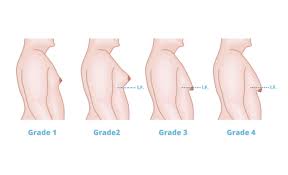
What should I avoid after male breast reduction?
It is also essential to avoid ignoring signs of complications. While mild swelling, bruising, and discomfort are normal after male breast reduction, unusual symptoms such as excessive pain, sudden swelling, fever, or discharge from incisions should not be overlooked. Delaying communication with your surgeon can worsen a manageable issue. Prompt follow-up ensures that any concerns are addressed early, protecting both your health and your surgical outcome.
Patients should avoid exposing incision sites to direct sunlight during the healing phase. Fresh scars are more sensitive to UV rays and can darken permanently if not protected. After male breast reduction, keeping incisions covered or applying appropriate sun protection once permitted can help scars fade more effectively over time. Proper scar care, as recommended by your surgeon, supports a smoother and less noticeable appearance.
Another common mistake to avoid is resuming work or daily routines too quickly without adequate rest. Even if your job is not physically demanding, your body is still using energy to heal internally. Overexertion can increase swelling and prolong recovery. Allowing yourself sufficient downtime after male breast reduction supports better overall healing and reduces fatigue.
Maintaining a stable and healthy diet is equally important. Avoid highly processed, salty foods that can increase fluid retention and swelling. Proper nutrition, including adequate protein intake, helps tissue repair and supports immune function. Hydration also plays a key role in recovery, so drinking enough water should not be neglected.
Finally, avoid unrealistic expectations about immediate results. Swelling can persist for several weeks, and the final chest contour may take time to fully appear. Being patient and following post-operative instructions carefully will lead to the most satisfying outcome. Male breast reduction can provide long-lasting improvement in chest shape and confidence, but the recovery phase is just as important as the procedure itself. By understanding what to avoid and committing to proper aftercare, patients can protect their investment and enjoy a smoother, more successful healing journey.