
commercial epoxy flooring
One of the most important considerations for businesses looking into epoxy flooring is whether Commercial epoxy flooring cost varies by thickness. The answer is yes, thickness plays a significant role in determining the final price of the installation. Thicker epoxy systems require more material, additional labor, and often a more detailed application process compared to thinner coatings. This added complexity directly impacts the total cost, making thickness one of the major factors to evaluate when planning a project. Understanding how thickness influences expenses helps businesses make informed decisions that balance budget, durability, and performance.
Commercial epoxy flooring cost is also shaped by the size of the floor being covered, but thickness can change how those costs scale. For instance, a large warehouse with a thin epoxy coating may be less expensive per square foot than the same space with a high-build system. The more layers applied, the higher the material consumption and labor time involved. While a thin coat can protect against general wear, thicker applications are often necessary for environments where heavy machinery, chemicals, or high foot traffic are common. Businesses must consider not only the initial investment but also the long-term benefits of choosing the right thickness.
Another factor that drives variation in commercial epoxy flooring cost by thickness is the epoxy floor system selected. Thin film systems usually range from a few millimeters thick and are primarily used for decorative or light-duty purposes. In contrast, high-build or troweled epoxy floors can be significantly thicker, providing superior impact resistance, chemical durability, and longevity. Each system has its own material requirements and labor processes, which explains why the cost can increase as thickness grows. Selecting the right system ensures that the floor can withstand the specific demands of the space while justifying the added cost.
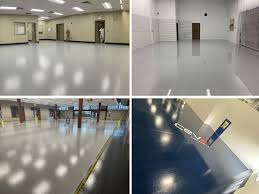
Does commercial epoxy flooring cost vary by thickness?
Material costs become more substantial when thickness increases because more epoxy resin and additives are needed. High-quality epoxy materials already represent a sizable portion of the total project expense, and using them in thicker applications naturally raises commercial epoxy flooring cost. However, the benefits often outweigh the expense, as thicker coatings provide a stronger barrier against damage, moisture intrusion, and wear. Businesses investing in these higher-grade systems can expect better performance and fewer repairs over time, which helps offset the upfront increase in cost.
The condition of the existing substrate also impacts how thickness influences commercial epoxy flooring cost. A floor that has cracks, uneven areas, or surface deterioration may require patching or leveling before epoxy can be applied. In some cases, a thicker epoxy system can help cover imperfections more effectively than a thin coat, but this added thickness requires more material and preparation, driving costs higher. Proper assessment of the substrate ensures that the chosen thickness provides both functional strength and a smooth, professional appearance that lasts.
In conclusion, commercial epoxy flooring cost does vary by thickness, with thicker systems generally requiring more material, labor, and preparation. While thin coats may be cost-effective for light-duty areas, thicker applications deliver superior durability and resistance in demanding environments. Businesses should carefully weigh their specific needs, the condition of their substrate, and the long-term performance benefits when deciding on thickness. By understanding how thickness impacts costs, companies can make informed investments that balance affordability with the lasting value of a strong, resilient epoxy floor.