
Piano Transcribe Notes
When it comes to learning music, transcription is a skill that can be beneficial for both beginners and advanced players. This is because it allows you to take a song and figure out the notes and chords that are being used – which can then be reworked to play impromptu or written down for later study. However, if you’re new to transcribing, it can be challenging to know where to start. Fortunately, there are some tips that can help you get started and improve your transcription skills.
The best place to start is with a simple melody or song. This will allow you to practice the basics of transcribing while also helping you learn to recognize intervals (e.g., a 2nd sounds crunchy, a 3rd is more closed and traditional, a perfect fifth sounds amorphous, etc). It’s important to note that transcribing requires not only hearing but also deduction. This is because sometimes what you think you hear isn’t what was actually played. This is why it’s crucial to pause the recording when you encounter an unclear part of the piece and then test your assumption with the original audio file.
Another way to improve your transcribing is by utilizing an app or software program that slows down the audio. This will give you the time to listen closely to each part of the music and ensure that you are accurately writing down what you are hearing. Additionally, these programs usually let you loop sections of the music so that you can focus on specific elements without having to manually skip back and forth through the entire recording.
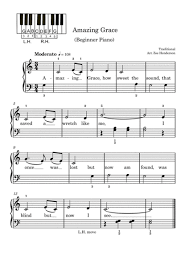
6 Tips to Help You Piano Transcribe Notes
It’s also essential to work in small sections of 4-10 seconds at a time. This is because the human brain has a limit to how much it can memorize at one time. Working in smaller chunks will also make it easier to check your transcription against the original recording to make sure you are getting it right.
As you progress, you should also try to incorporate a practice of solfege into your transcriptions. This will help you hear the intervals in the music better and will improve your ability to read them on the piano. This is because if you are not familiar with the intervals, you may find yourself guessing at what note you are hearing. This can be frustrating and lead to inaccurate notes.
Finally, remember that transcribing takes consistent practice over a long period of time to become good at it. Trying to transcribe John Coltrane’s Giant Steps or Hiatus Kaiyote’s Molasses at the beginning of your transcription journey will only lead to frustration and a lack of interest in this skill.
Start with something simple and commit to practicing it daily. This could be as simple as writing down a short melody or counting out the beats of a rhythm. With this commitment, you will see improvements and eventually develop a love for transcribing! So, are you ready to get started?