
maximum power output of a USB C socket
USB connectors have evolved in shape, size, and data transfer capabilities over the years. The latest physical standard is Type C – it’s bi-directional, reversible, and supports higher power transmission than previous generations. The underlying protocol, however, is what really opens the door for this type of high-speed power delivery.
While the physical connector is standardized, the protocol behind it can be very different between products. There are currently three associated standards: the physical connector, the data transmission standard (USB 3.1 and below), and the power delivery specification (USB Power Delivery, or PD).
The latter enables higher power output on a USB connector, allowing it to replace a dedicated DC power cable in many cases. The base USB PD standard supports up to 100 watts, enough to power laptops and other larger devices. There are also extended power range options (EPR) that support up to 240 watts, though practical limits will limit this for now.
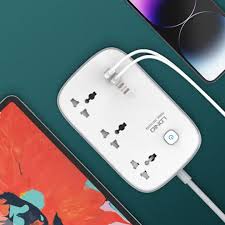
What is the maximum power output of a USB C socket?
In order to provide higher power, a device needs to support the usb c socket PD 3.1 or later standard. This version enables it to negotiate voltage and current requirements on the fly, providing more flexibility than previous standards. It also provides a common standard for devices to use when they are plugged into each other, eliminating the need for manufacturers to create proprietary phone chargers that force their product to only work with their brand of charger.
All PD compatible devices will have at least two pins for V+ and four ground. They will also have a single control/status pin that supports the PD 3.1 protocol. These pins can be paired together to support up to 20 V at 5 A for power transfer, and the control/status pair can be used for up to 5 A of USB data.
A normal USB-C cable will have one of the CC1 or CC2 pins supporting power negotiation, allowing it to support up to 60 watts at up to 5 A. Some cables, such as those provided with the new iPhone, MacBook Pro and Google Pixel phones, will support EPR, which allows them to supply a maximum of 240 watts of power.
One of the most notable characteristics of USB-C is its reversible design. Unlike previous USB versions, which required users to identify the correct orientation, the USB-C connector can be plugged in either way. This feature significantly enhances user convenience, particularly in low-light situations or when connecting devices in tight spaces.
As we continue to develop more and more power-hungry portable electronics, it’s likely that we will see the need for even higher rated cables. This will be due to a combination of factors, including more and more ports on these devices needing to support EPR and the need for higher power for accessories like external hard disk drives that don’t require data transfer. We may also start to see more HDMI and DisplayPort monitors with a USB PD port to enable them to pass power to the screen. This is a very exciting development, and we look forward to seeing more solutions as they become available.