
role of quality control in flexible PCB fabrication
In order to ensure that a flexible circuit board meets all of its specifications and standards, it is important to perform quality control inspection at every step of the fabrication process. This includes design verification, component inspection, and dimensional testing. In addition, testing and quality control should also include X-ray inspection, which can detect soldering issues and other hidden defects.
Performing quality control during flexible pcb fabrication can reduce the risk of costly device failures and extend the lifespan of electronic devices. This is especially important for critical applications such as medical equipment and aerospace systems, where even the smallest defect can have catastrophic consequences.
The first step in ensuring high-quality PCBs is to carefully select and inspect the raw materials used in the manufacturing process. Achieving a quality-oriented supply chain requires establishing strong connections with credible suppliers and ensuring that their products are consistent and free from impurities. It is also necessary to provide adequate storage conditions to prevent the degradation of the material over time. Once the raw materials have been received, they must undergo rich inspections to determine whether they meet all of the required specifications and standards.
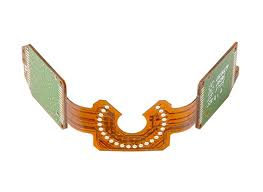
What is the role of quality control in flexible PCB fabrication?
After the PCB materials have been inspected, the next stage is the lamination process. This step involves combining the different layers of the PCB using heat and pressure. The resulting laminate provides mechanical stability and protection from the environment. In addition, it also improves the electrical performance of the PCB by minimizing signal leakage. The PCB should be thoroughly cleaned before this step to remove any contaminates that could cause future problems.
Once the lamination is complete, the final steps in flex PCB fabrication are component placement, assembly, and testing. These processes can be difficult and time-consuming, but they are essential for ensuring the quality of the product. The components should be placed in the correct position and properly soldered. In addition, the traces should be evenly spaced and free from holes that would interfere with the flow of current. The PCB should also be tested to ensure that it is flexible and able to withstand environmental stresses.
In addition, a thorough testing and quality control process should also include X-ray inspection. This non-destructive method allows inspectors to see through the layers of a flex PCB and identify hidden defects, such as soldering problems, voids, and missing components. It is important to note that X-ray inspection is not a replacement for visual inspection; it should be performed in conjunction with other tools such as microscopes and inspection cameras.
Other potential quality issues that should be inspected include the consistency of adhesive application, which can lead to weak bonding areas and partial separation of stiffeners during thermal cycling. Inconsistent coating can also leave exposed copper surfaces, which are prone to oxidation and contamination. This can deteriorate the solderability of the board and affect its electrical performance. To avoid these issues, manufacturers should apply advanced coating techniques and conduct extensive thermal cycling tests.


